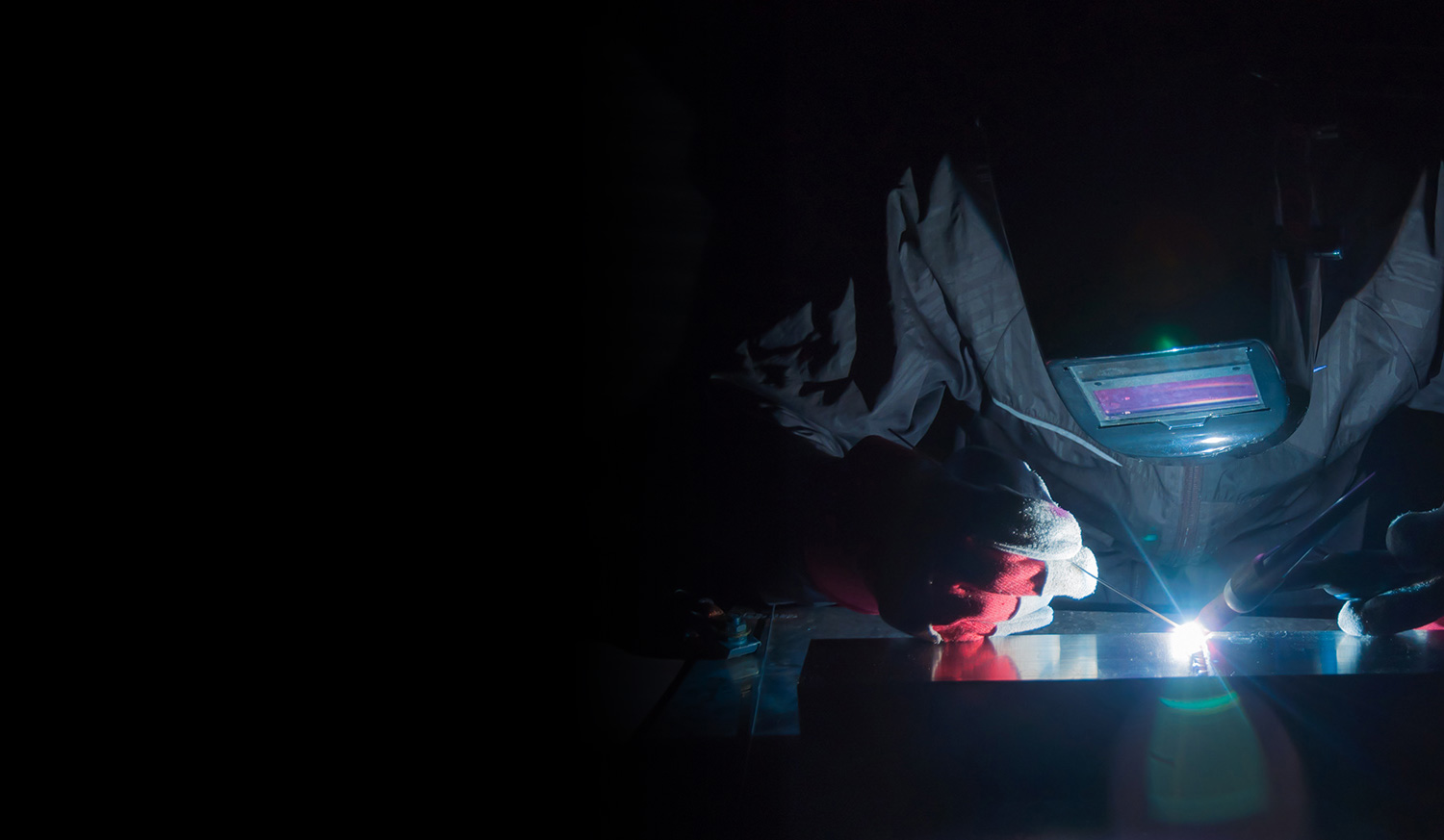
Welding is one of the most important processes in modern manufacturing, fabrication, and repair. However, welding also carries inherent risks, ranging from electrical shocks and fire hazards to long-term health issues caused by dangerous fumes and microscopic dust particles.
Strictly following the welding safety rules aligned with standards like OSHA 29 CFR 1910 Subpart Q is therefore extremely essential. Simply because it protects the long-term health and well-being of every welder on the shop floor.
While most welding safety guidelines focus on the arc itself, a complete safety strategy should cover the entire workflow, including tungsten electrode preparation. Grinding electrodes can introduce additional risks from airborne particles, rotating grinding discs and manual handling, making the choice of preparation method an important part of workplace safety.
These factors were central to the development of our Tungsten electrode grinders. In this article, we’ll go through the essential welding safety rules every facility should follow and explain how TIG can help reduce welding risks.
Maintain a Safe Work Area and Fire Prevention
Fire is one of the most immediate hazards caused by welding and cutting operations. Sparks and hot metal slag can travel significant distances and ignite nearby combustible materials.
- Maintain Clearance: Keep all flammable materials, such as paper, wood or chemicals, at a safe distance. It should be at least 35 feet (10 meters) from the work area.
- Protect Immovable Hazards: If flammable items cannot be moved, shield and cover them with fire-resistant blankets or guards to confine sparks and hot metal from reaching it.
- Fire Equipment Readiness: Ensure fire extinguishers are fully charged, inspected, and easily accessible near the welding area.
Use the Right Welding Safety Equipment and PPE
PPE stands for Personal Protective Equipment, and it serves as the last line of defense against burns, radiation, and flying debris.
- Eye & Face Protection: Use an approved welding helmet fitted with the correct filter shade to shield eyes from ultraviolet (UV) and infrared (IR) radiation.
- Protective Clothing: Wear flame-resistant, long-sleeved jackets and cuffless trousers made of heavy cotton or leather. Avoid synthetic fabrics that melt when exposed to heat.
- Hand & Foot Gear: Always wear dry, insulated welding gloves and steel-toe boots to protect against heat, drops, and electrical current.
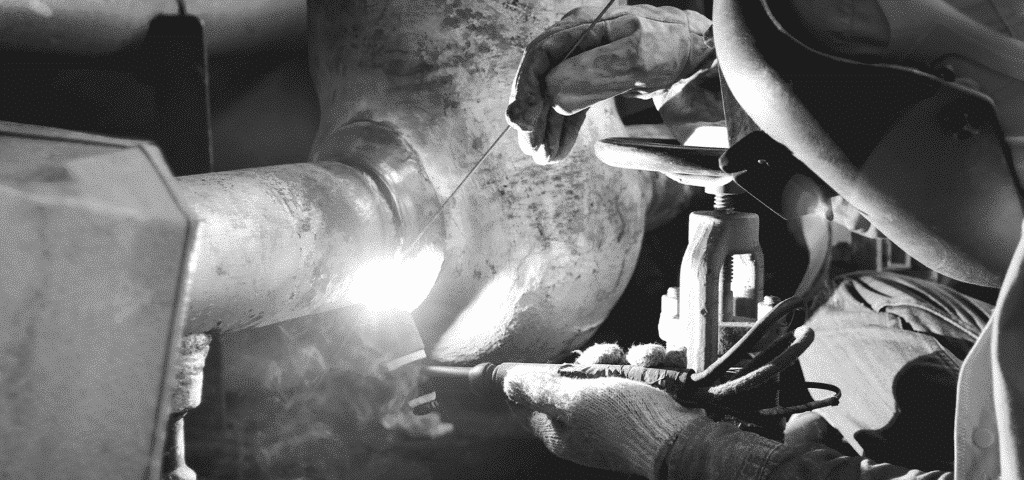
Prevent Electrical Hazards and Shock
Electrical shock is one of the most severe risks in arc welding.
- Inspect Equipment Daily: Check cables, electrode holders, and ground clamps for damaged insulation or loose connections before turning on the power source.
- Keep Dry: Never weld in damp or wet conditions, and change wet gloves immediately. Electrical resistance drops significantly when moisture is present.
- Proper Grounding: Ensure the workpiece is grounded directly to a reliable earth ground.
Ensure Proper Ventilation and Fume Control
Inhaling metal fumes, shielding gases, and toxic vapors produced during welding can lead to severe respiratory illnesses. Therefore, it is important to prevent these health risks by one of the following:
- Fume Extraction: Use local exhaust ventilation (LEV) systems placed near the weld zone to capture fumes at the source.
- Fresh Air Turnover: Ensure adequate air movement across the shop to maintain toxic gases below maximum allowable concentrations.
- Respiratory Gear: Wear appropriate respiratory protection (such as PAPR systems or specialized P3/P100 respirators) when working in confined spaces or with hazardous materials.
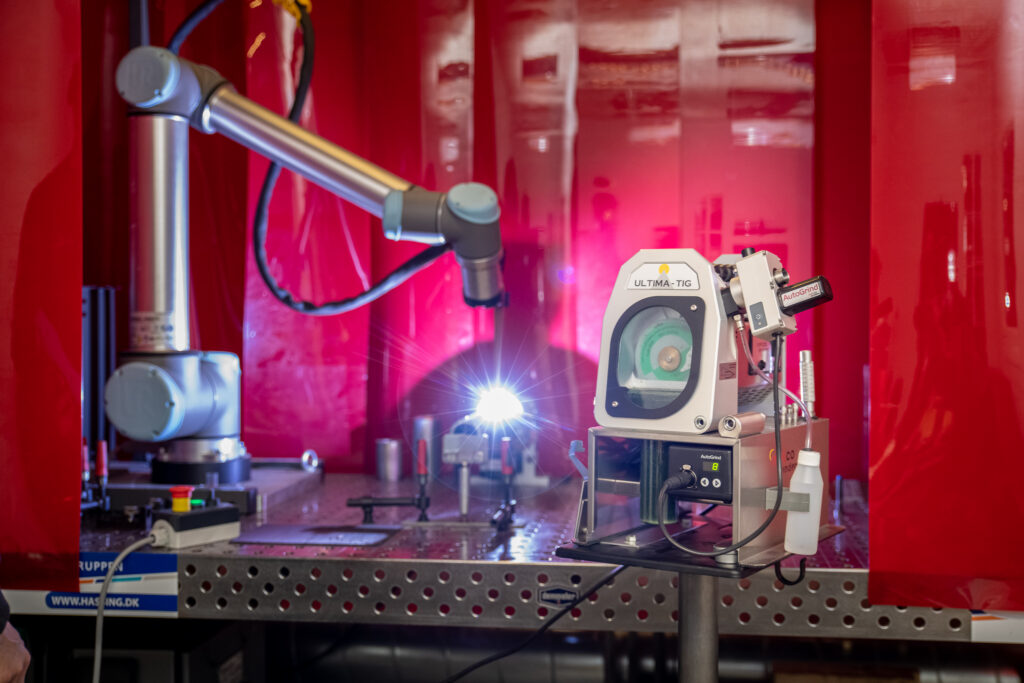
- Control Tungsten Dust at the Source: Airborne contaminants are not only generated during welding itself. Grinding tungsten electrodes can also release fine particles in the working environment. To control this, the best solution is not always ventilation or fume control. It is simply wet grinding.
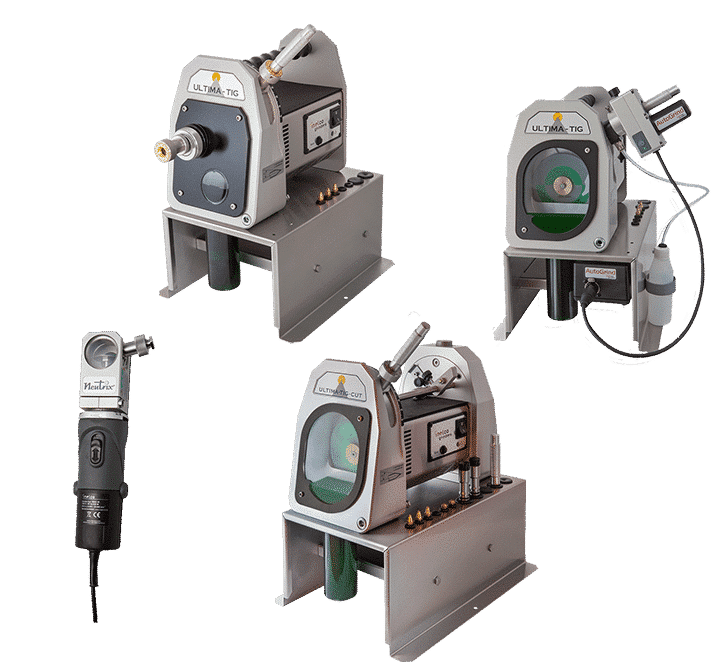
At Inelco Grinders, our collection of grinders, has a liquid compartment that acts as a barrier against dust generated during welding. This also means the Ultima-TIG®’s enclosed grinding chamber is an in-built dust collection system. Particles are therefore contained rather than released into the surrounding welding workspace.
For a deeper look at respiratory protection and airborne hazards from welding, see this dedicated guide on How Can You Manage Hazards Associated With Breathing in Welding Fumes.
Enforce Safe Tungsten Electrode Preparation: The Most Overlooked Hazard
A major safety gap in many welding bays occurs before the torch is ever lit: grinding Tungsten electrodes for TIG welding. Open dry grinders expose operators to fine dust inhalation and severe physical hand hazards.
- Eliminate Freehand Contact: Manual grinding on open bench grinders creates severe risks of finger burns, glove entanglement, and physical hand injuries.
- Contain Particulate Exposure: Traditional dry grinding releases microscopic particulates directly into the operator’s breathing zone.
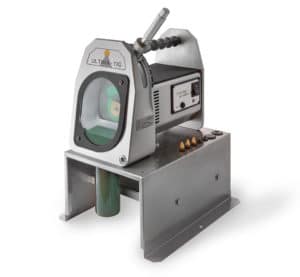
- Implement Enclosed Grinding Controls: Dedicated enclosed wet-grinding equipment like the Ultima-TIG® provides a completely safe, engineered approach. The electrode is guided through an enclosed wet-grinding chamber, while grinding liquid helps suppress dust generated during the process.
The integrated collection system contains grinding residue for controlled disposal, while the electrode holder keeps the operator’s hands away from the grinding disc during preparation.
With our grinders safety does not have to come at the expense of welding performance. Wet grinding also helps prevent overheating during electrode preparation and produces a smoother electrode surface.
Continue reading: Tungsten electrodes’ impact on health & safety.
Safety compliance
Modern welding safety standards emphasize engineering controls that eliminate mechanical risks at the source. Transitioning to guided, enclosed grinding removes freehand hazards and ensures compliance with mechanical containment protocols.
Inspect Equipment and Train Continuously
Safety rules are only effective when consistently applied.
- Pre-Operation Checks: Conduct regular pre-weld inspections using standardized checklists to ensure equipment integrity.
- Ongoing Education: Train operators whenever new machinery, shielding gases, or welding procedures are introduced.
Read more about Health and Safety Awareness.
Conclusion: Safety Starts Before the Arc
Creating a safe welding environment requires a comprehensive approach. From wearing the correct PPE and managing fire risks to controlling dangerous air contaminants and grinding dust. By expanding your safety protocols to include dedicated, enclosed electrode grinding, you eliminate hidden hazards and foster a healthier, more productive workplace.
By implementing dedicated grinding equipment, workshops achieve:
- Complete elimination of open-wheel hand injuries and disc disintegration risks
- Full containment of grinding dust before it enters the breathing zone
- Safe handling of short electrodes to minimize waste
- Full compliance with modern workplace health and safety standards