Grinding tungsten electrodes generates fine dust that can expose welders and nearby colleagues to potentially harmful particles if adequate controls are not in place. Managing this exposure is therefore an important part of maintaining a safer working environment.
In this article, we share welding safety tips that explain how electrode selection, grinding technique, and equipment help you manage this exposure while preparing electrodes for consistent welding performance.
Why Grinding Dust Deserves the Same Attention as Welding Fumes
Fume extraction is an established part of welding safety, but it does not necessarily protect workers from dust generated at a separate grinding station.
Grinding tungsten electrodes can release fine airborne particles, including nanoparticles smaller than 0.1 µm. Without effective dust controls, these particles may be inhaled by welders and nearby colleagues. Controlling exposure at the grinding station is therefore just as important as managing fumes during welding. We discuss this exposure further in our overview of tungsten grinding risks.
A workplace risk assessment should account for the entire electrode preparation process, from electrode composition and grinding methods to the frequency of use and handling of grinding residue. Selecting suitable equipment and maintaining effective dust controls can help reduce exposure throughout the process.
Tip 1: Select the Appropriate Tungsten Electrode
The type of tungsten electrode you choose affects both welding performance and the risks associated with grinding. Select an electrode grade that suits your welding equipment, current and application.
The most common non-thoriated options include:
- Pure tungsten: Traditionally used for AC welding of aluminium and magnesium with transformer-based equipment. It is generally not the preferred choice for modern inverter-based TIG machines.
- Ceriated tungsten: Well suited to low-current applications, with good arc starting and restarting characteristics.
- Lanthanated tungsten: Suitable for a broad current range, offering reliable arc starting and arc stability in both AC and DC applications.
Follow your equipment manufacturer’s recommendations and the applicable welding procedure when selecting the electrode grade and diameter. Miller’s electrode-selection guidance explains the distinction between traditional and inverter-based AC equipment.
Where the application allows, choose a suitable non-thoriated electrode. Grinding thoriated tungsten produces dust containing radioactive thorium, which creates an additional inhalation hazard. TWI’s guidance on thoriated tungsten recommends considering suitable alternatives and controlling exposure during grinding.
However, non-thoriated electrodes still generate grinding dust. Changing the electrode grade does not remove the need for dust containment and appropriate protective measures.
Tip 2: Prepare the Tungsten Electrode Correctly
Match the Tip Geometry to the Application
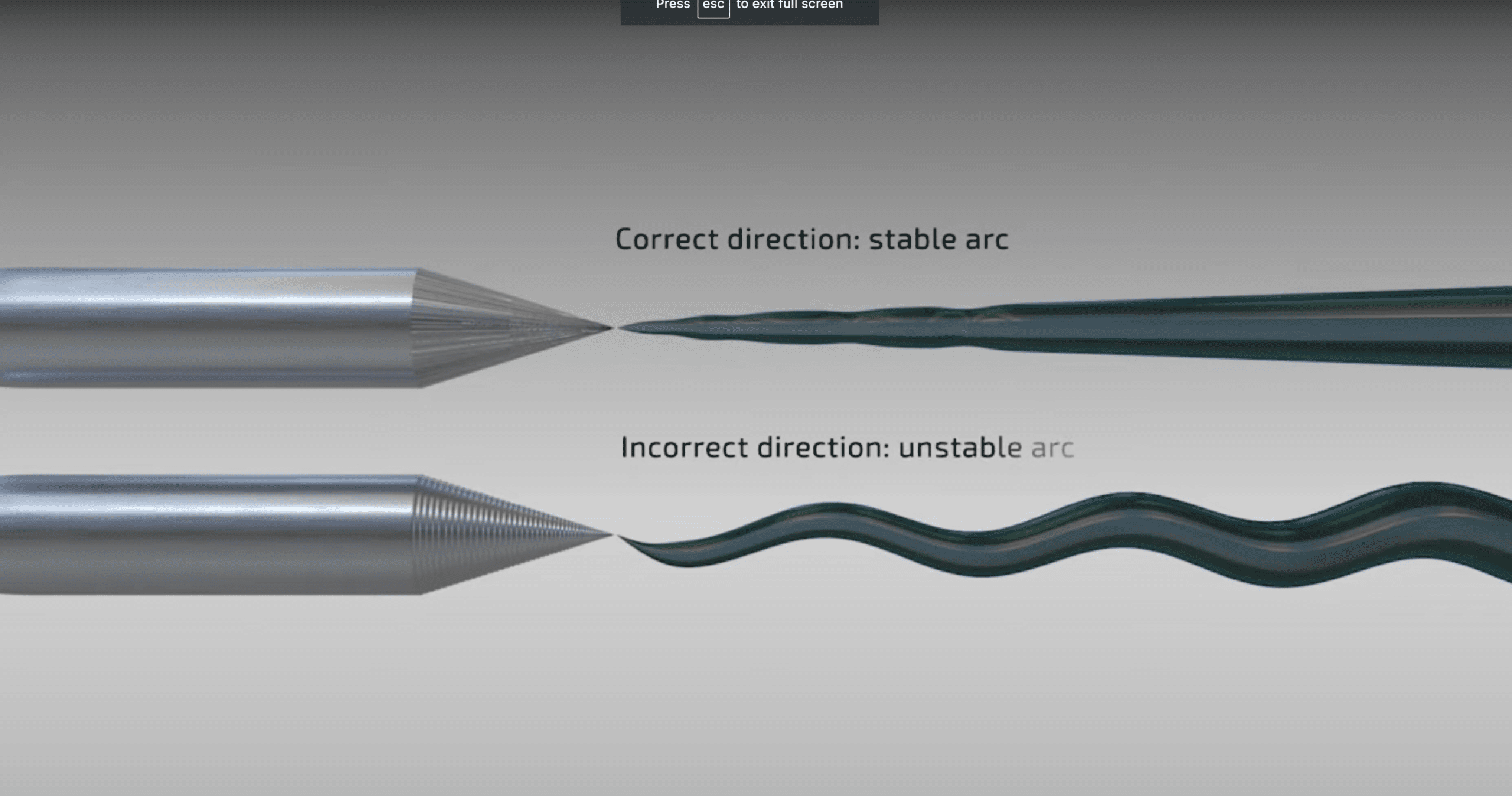
Correct tip geometry helps maintain a stable arc and consistent welding performance. The grinding angle should match the electrode diameter, welding current and application rather than following the same setting for every job.
Where the procedure calls for a truncated tip, grind the point and then remove its end to create a small flat. Choose the flat diameter to suit the electrode and operating conditions. A correctly prepared truncated tip can help the electrode withstand the welding current and maintain a stable arc.
Read more about the benefits of truncating the tip here.
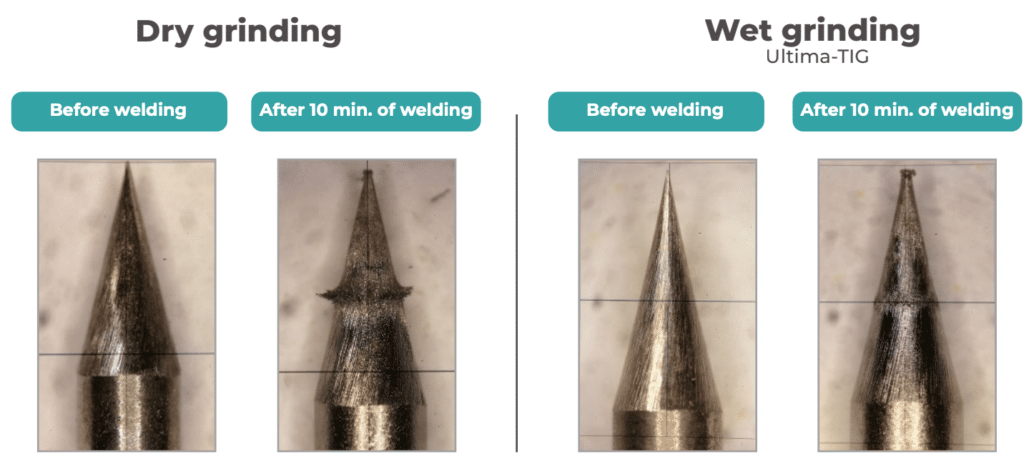
For more guidance on consistent electrode preparation, see 5 pro tips for maintaining top-notch tungsten grinding quality. Combine these techniques with the welding safety tips below to improve preparation quality and control dust exposure.
Use Wet Grinding to Control Heat and Dust
Wet grinding combines a diamond grinding disc with liquid cooling to produce a smooth, consistent electrode surface. The liquid limits heat build-up during grinding and helps capture dust within the system.
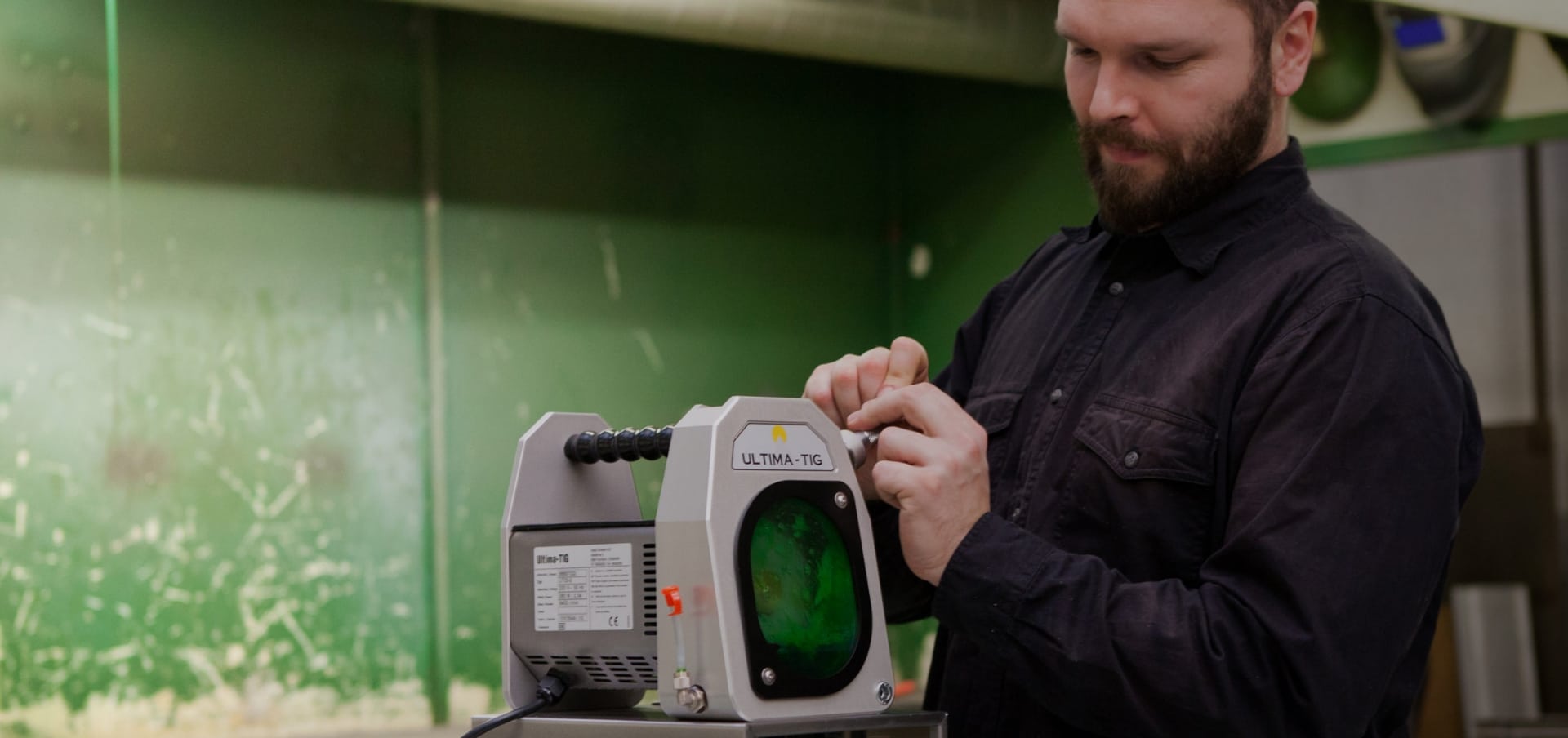
Use a grinder, like the Ultima-TIG®, designed for wet operation, and follow the manufacturer’s instructions for the grinding liquid, operating settings, and maintenance. These details help the equipment deliver consistent results and keep its dust-control system working as intended.
Tip 3: Use a Precision Grinder with an Enclosed Chamber
Effective dust control begins at the source. Open belt grinders without adequate dust capture can release particles into the surrounding workspace, potentially exposing both operators and nearby colleagues.
The Ultima-TIG grinder combines an enclosed grinding chamber with wet grinding to contain dust during electrode preparation. This approach reduces the opportunity for particles to escape into the work area. Its effectiveness depends on correct operation, maintenance, and residue handling.
Using a dedicated grinding wheel for tungsten electrodes also helps prevent contamination from other materials and ensures consistent grinding results.

Dust control continues after grinding. So, follow the manufacturer’s instructions when cleaning the chamber and changing the collection container. See what to do with your Tungsten waste for guidance on handling the captured residue.
The Danish industry organisation BFA Industri recommends grinding tungsten electrodes in a closed system and avoiding thorium-containing electrodes. Its welding safety guidance supports these precautions; it does not establish a particular grinder as an industry standard.
Conclusion
You should make electrode preparation part of your welding safety routine. This includes, selecting a suitable electrode grade, using consistent tip geometry, and controlling grinding dust with appropriate equipment.
Keep your grinder in good working order so its dust-control system continues to perform as designed. Read service and maintenance means sustainability for maintenance guidance.
An enclosed wet grinder such as the Ultima-TIG grinder supports controlled electrode preparation and consistent grinding results. Apply these welding safety tips alongside fume extraction, suitable PPE, and your workplace safety procedures to protect yourself and your colleagues throughout the job.