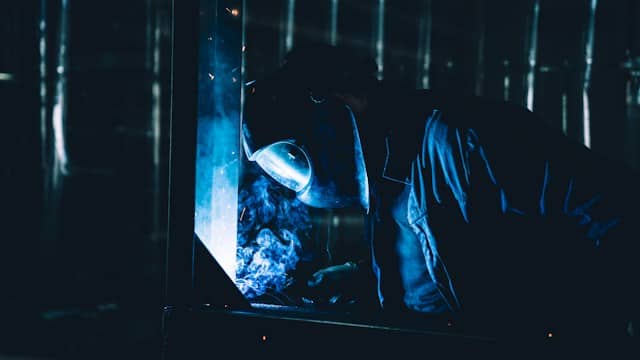
TIG welding is an arc welding process that uses non-consumable tungsten electrodes and an inert shielding gas, usually argon, to produce clean, precise welds. The welder adds filler metal separately, which provides a high degree of control over the weld pool.
At Inelco Grinders, we specialise in tungsten electrode grinders, so electrode preparation is an important part of how we approach TIG welding.
So, in this guide, we will at first cover the basics of TIG welding, while looking more closely at how correct tungsten preparation can contribute to arc stability and more consistent welding results
Key takeaways
- TIG is a tungsten electrode that creates the arc, and inert gas protects the weld.
- It is used for aluminium, stainless steel, titanium and others where finish and control matter.
- DC is typically used for steel and stainless, AC for aluminium.
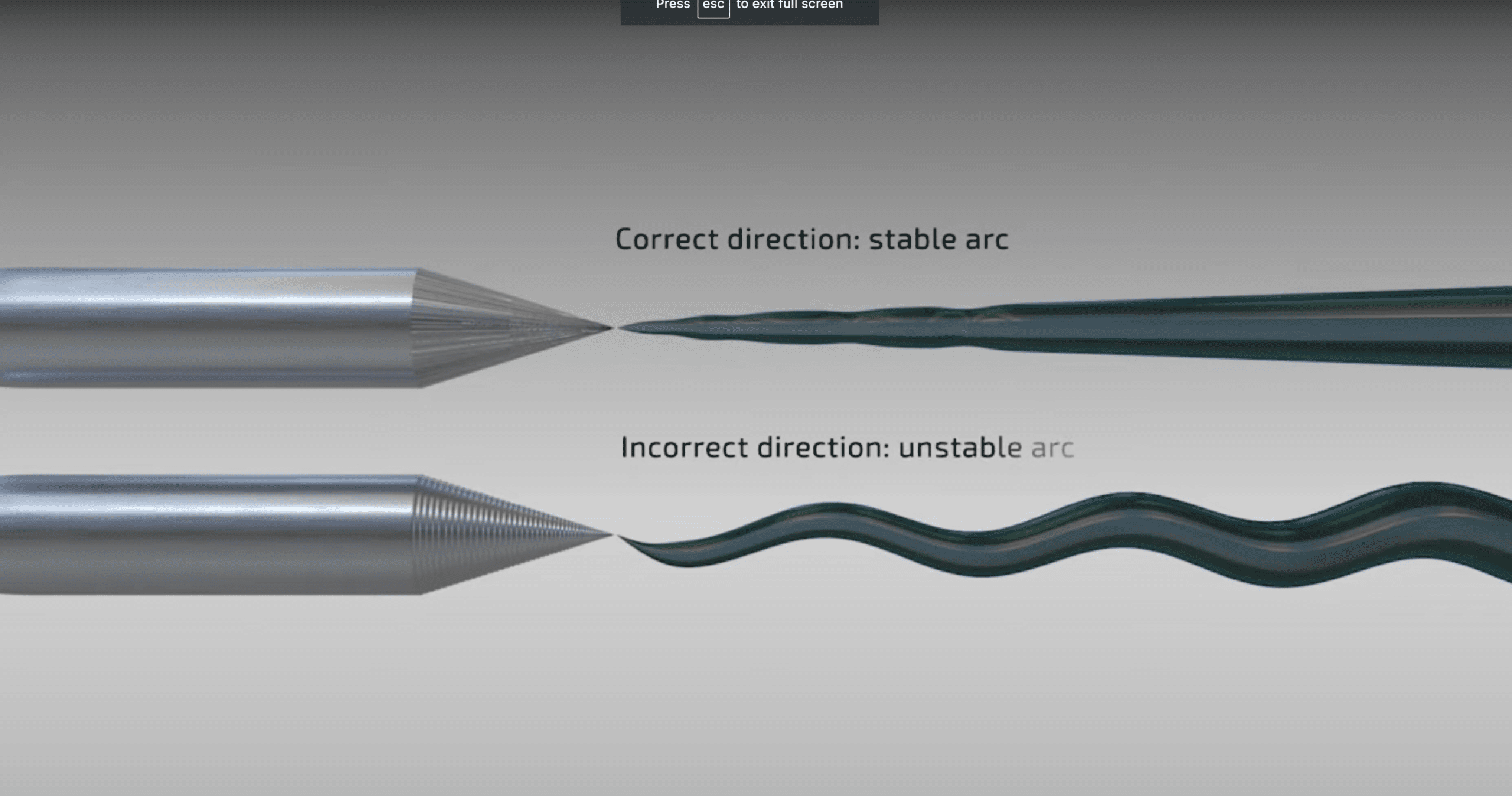
- The shape and finish of the tungsten tip directly affects arc stability and weld quality.
How Does TIG Welding Work?
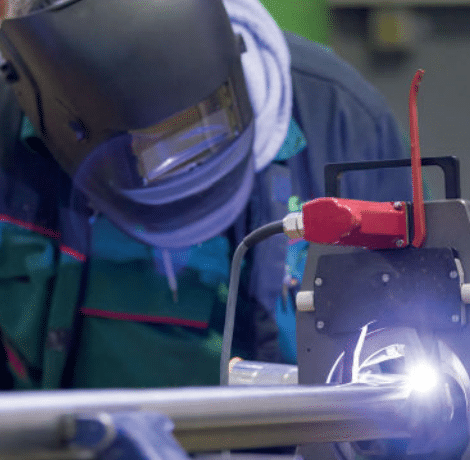
The tungsten electrode carries the welding current and creates an arc that generates enough heat to melt the base metal. An inert shielding gas, typically argon, flows around the electrode and weld pool to protect them from atmospheric contamination.
Unlike the wire electrode used in processes such as MIG/MAG welding, the tungsten electrode is non-consumable. When required, filler metal is added separately, giving the welder precise control over the weld pool.
The basic TIG welding process is as follows:
- Clean the base metal and prepare the joint.
- Select and prepare the tungsten electrode for the welding application.
- Set the welding parameters, including current, polarity and shielding gas flow.
- Start the arc and establish the weld pool.
- Control the torch and weld pool, only adding filler metal when required.
Read more in our article “5 Pro Tips for Maintaining Top-Notch Tungsten Grinding Quality”.
What Is TIG Welding Used For?
TIG Welding is mostly used when precision, control and weld quality are important. Typical applications include:
- Aluminium and magnesium components, where precise heat control is required.
- Stainless steel, including food, pharmaceutical and process piping.
- Titanium and other reactive metals, where effective shielding is essential.
- Thin sheet and precision components, also application in aerospace manufacturing.
What Equipment Do You Need for TIG Welding?
A basic TIG welding setup typically includes:
- Power source with constant-current output and the appropriate AC/DC capabilities for your application.
- TIG torch with collet, collet body and gas cup. A gas lens can be used to improve shielding gas coverage.
- Argon cylinder and regulator to supply and control the shielding gas.
- Filler rod matched to the base material, when filler metal is required.
- Tungsten electrodes selected and prepared for the welding application.
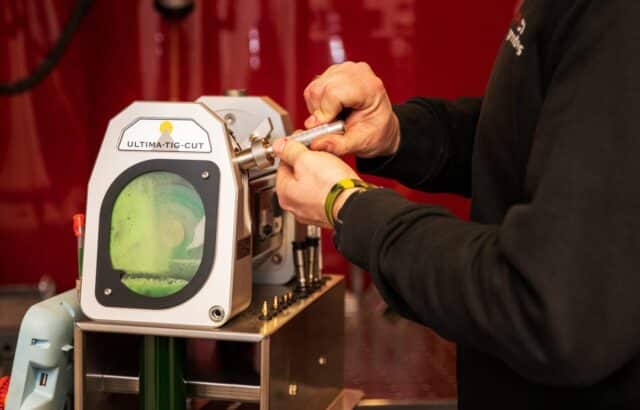
- Tungsten electrode grinder to create the required grinding angle and tip geometry consistently.
- Foot pedal or torch control, depending on the welding setup.
- Appropriate protective equipment for TIG welding.
The tungsten electrode is particularly important because its tip geometry influences how the arc behaves.
We’ll look more closely at how to prepare it below.
What Are the Types of Tungsten Electrodes?
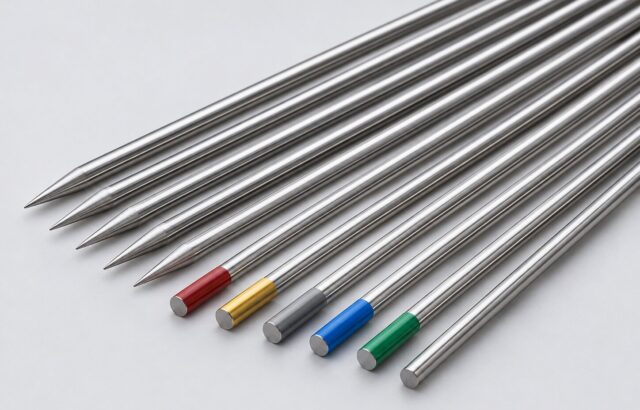
Tungsten electrodes can be put into different categories, depending on the end of the electrode. In our industry we colourcode them. The colour tells you which oxide has been added to the tungsten. This helps you identify the electrode’s welding characteristics and typical applications.
For example, a green electrode is pure tungsten, while blue and gold electrodes contain lanthanum oxide in different amounts.
So, the right choice depends on the factors such as the welding current, material and whether you are welding with AC or DC.
| Type | Colour code | What the colour indicates | Typical use | Current |
|---|---|---|---|---|
| Pure tungsten | Green | Pure tungsten with no oxide additive | Traditional choice for aluminium and other AC applications | AC |
| Ceriated | Grey | Tungsten with cerium oxide | Lower-current applications and thin materials | AC/DC |
| Lanthanated | Gold / blue | Tungsten with lanthanum oxide | Versatile choice for a wide range of TIG applications | AC/DC |
| Thoriated | Red | Tungsten with thorium oxide | Traditionally used for steel and stainless steel | DC |
| Zirconiated | Brown* | Tungsten with zirconium oxide | Commonly used for AC welding applications | AC |
All type of grinders are compatible with Inelco grinders.
At Inelco Grinders, our tungsten grinders are designed to grind all common tungsten electrode compositions, including pure, ceriated, lanthanated, thoriated and zirconiated tungsten.
Be aware, thoriated electrodes contain radioactive thorium. Grinding them generates dust that should be effectively contained and collected. Our enclosed wet-grinding system collects the grinding dust in the liquid inside the grinding chamber, which reduces airborne dust exposure for the operator. Continue reading about how to manage hazards associated with breathing in welding fumes?
Can You Grind Other Metals With an Inelco Tungsten Grinder?
Our grinders use liquid-cooled diamond grinding discs designed for the properties of tungsten. Softer metals such as mild steel, stainless steel and aluminium can coat or clog the diamond grinding surface and damage the disc.
For this reason, our Inelco grinders should be used exclusively for tungsten electrode preparation.
What Tungsten Diameters Can Inelco Grinders Handle?
The diameter depends on the grinder you use.
The Ultima-TIG® can grind tungsten electrodes from 0.8 to 4.0 mm, which covers most commonly used TIG electrode sizes.
For larger electrodes, the Ultima-TIG-S can grind tungsten electrodes with diameters of up to 8.0 mm. This makes it suitable for applications that require substantially larger electrodes.
How Short Can the Tungsten Electrode Be?
Electrode length is another important consideration, particularly in specialized applications such as orbital welding.
With specialized electrode clamps and holders, Inelco grinders can centre and grind tungsten electrodes as short as 8 mm. This also allows more of the electrode to be used before it needs to be discarded, helping reduce tungsten waste.
In general, correct tungsten preparation is extremely important for consistent results. Continue reading more details about the process in our guide “How to grind tungsten”.
TIG Welding Safety with Inelco Grinders
TIG welding involves several potential hazards, including UV radiation, welding fumes and fine dust generated when tungsten electrodes are ground. Always use appropriate eye and skin protection, effective ventilation or extraction, and a grinding method that controls the tungsten dust.
At Inelco Grinders, safety is an important part of how we design our tungsten grinding solutions.
Our wet-grinding systems collect grinding dust in liquid inside the grinding chamber, helping reduce airborne dust exposure for the operator. This is relevant when grinding thoriated tungsten electrodes. You can read more in our guide to welding safety rules.
Want to reduce dust exposure when preparing tungsten electrodes? Discover our enclosed tungsten grinders and find the right solution for your welding setup.